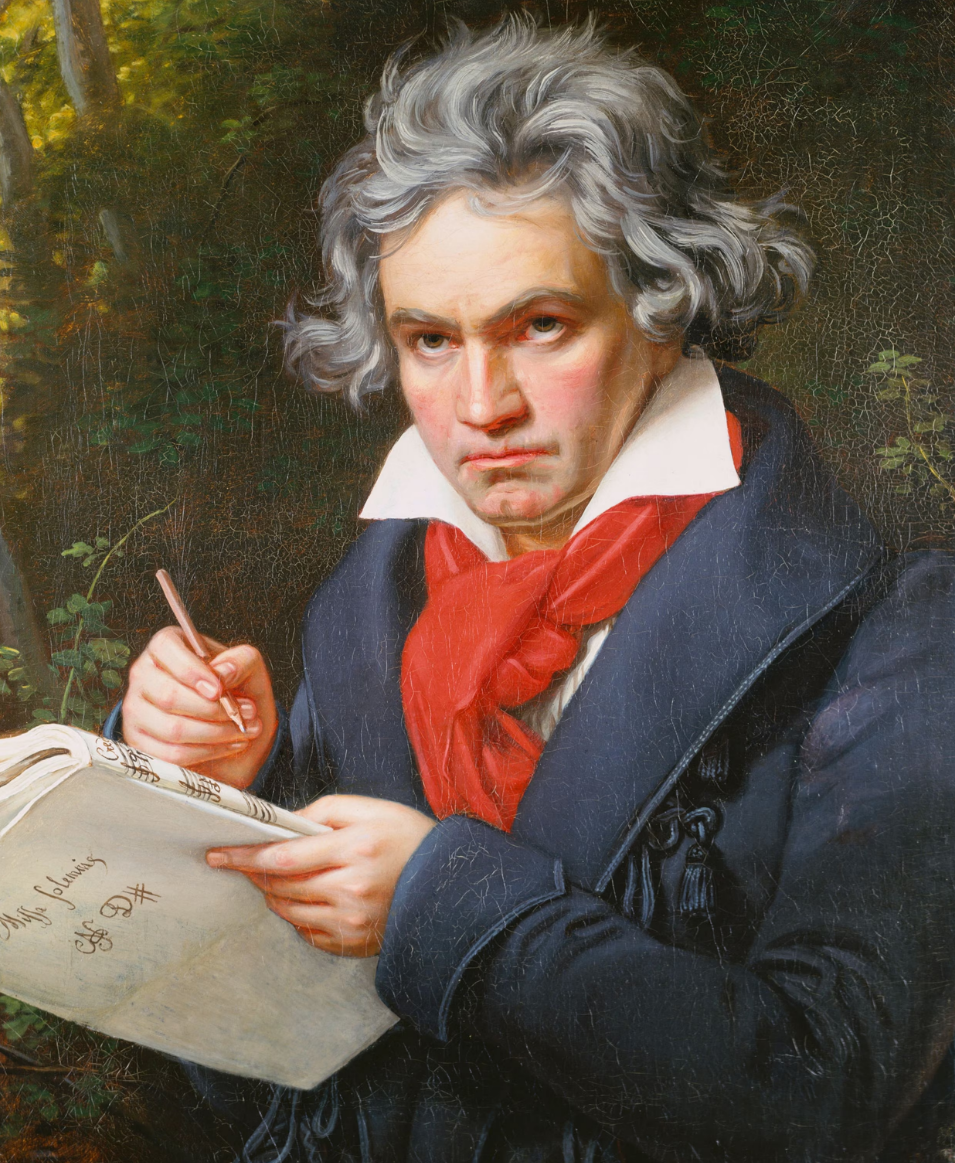
Description
Ludwig van Beethoven – “Adelaide,” Op. 46 (1795–1796)
Beethoven’s “Adelaide,” Op. 46, composed around 1795–1796 to a poem by Friedrich von Matthisson, is an important early example of Beethoven’s ability to combine lyrical melody with an increasingly expansive piano accompaniment. From a piano-learning perspective, the work offers valuable training in legato playing, voicing, phrasing, accompaniment balance, and gradual dynamic development.
The piano accompaniment begins with a relatively simple and transparent texture, requiring the pianist to establish a warm and sustained sound without overpowering the vocal or melodic line. The first challenge is therefore not speed or virtuosity, but control of tone and balance. The pianist must make the accompaniment supportive while allowing the principal melody to remain clearly audible.
A central technical skill in Adelaide is legato phrasing. The piano figures must connect smoothly so that the accompaniment feels like one continuous musical line rather than a succession of individual notes. This requires careful finger control, appropriate pedaling, and attention to the harmonic direction of each phrase.
The pianist must also learn to distinguish between the melodic voice and accompanying figures. Even when the accompaniment contains flowing patterns, not every note should have equal weight. The important notes of the harmony and phrase should be subtly emphasized, while secondary notes remain lighter. This teaches an essential Lied-playing skill: creating hierarchy within the texture.
Another important aspect is dynamic shaping. Beethoven gradually expands the musical space as the poem develops, and the pianist must follow this process through carefully controlled crescendos and diminuendos. The dynamic changes should not be produced simply by playing louder or softer; they should reflect the direction of the musical phrase and harmonic progression.
The piano also has an important role in creating the work’s atmosphere of idealized love and nature. Rather than simply following the singer, the accompaniment establishes the harmonic and emotional environment in which the melody unfolds. The pianist therefore needs to listen closely to the relationship between harmony, rhythm, and melodic line.
As the music develops, the pianist encounters increasingly demanding coordination between the two hands. The accompaniment patterns require the hands to maintain different functions simultaneously: one hand establishes harmonic support and rhythmic stability while the other contributes melodic or decorative material. Maintaining evenness without making the texture mechanical is an important part of mastering the piece.
The later sections require greater dynamic energy and harmonic tension. The pianist must gradually increase the intensity without losing the underlying legato character. This makes Adelaide particularly useful for learning how to build a long musical phrase rather than treating each phrase as an isolated unit.
For a violin arrangement, these principles become especially important. The violin takes over the vocal melody and therefore needs a flexible, singing tone, while the pianist must preserve the original Lied’s harmonic foundation and rhythmic character. The two performers must coordinate phrasing, breathing points, rubato, dynamic balance, and harmonic transitions so that the violin sounds like a continuation of the original song rather than a separate instrumental transcription.
Unlike the highly repetitive and deliberately restrained piano writing of Schubert’s “Der Leiermann,” Beethoven’s “Adelaide” gives the pianist a broader opportunity to develop cantabile playing, harmonic awareness, dynamic control, and long-range musical phrasing.
For piano students, Adelaide is therefore valuable not simply as an accompaniment exercise, but as a study in how the piano can support a melody, shape its emotional environment, and gradually transform a simple lyrical idea into a larger musical expression.
High-Quality Piano Accompaniment
Suitable for Singers
Suitable for Instrumentalists
Ideal for Practice, Rehearsal, Recording, and Performance Preparation






Reviews
There are no reviews yet.